
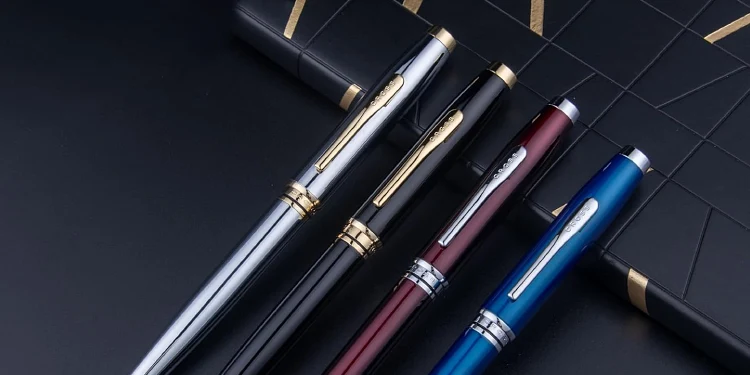
The Pen That Quietly Became the Focus of the Table
Trending This Week
The moment did not stand out at first. It was part of a routine afternoon — a small group gathered around a table, mid-conversation, moving easily between topics. Then, almost as an aside, one man mentioned that he had recently replaced his old pen. He reached into his pocket, placed the new one on the table, and described it in simple terms: something that felt comfortable and dependable.
There was no expectation that anyone would pay much attention. Yet curiosity is often sparked by small details. Someone picked it up, testing the grip without saying much. Another uncapped it and wrote a few lines on a spare sheet of paper. Within minutes, the conversation had shifted naturally. Plans and casual talk gave way to observations about weight, balance, and how the pen moved across the page.
What people noticed first was not design in the decorative sense, but how the pen handled. It was balanced in a way that did not require adjustment. It felt steady, neither overly light nor unnecessarily heavy. The writing was smooth without needing pressure, which made it easy to use for longer notes rather than just quick signatures.
The owner explained that he had not been searching for anything remarkable. His previous pen had simply stopped performing well, and he wanted something reliable enough for daily use — meetings, notes, and everyday writing. That practical intention seemed to resonate with everyone at the table.
Moments like this rarely draw attention beyond the people present, yet they reveal something about how everyday products gain recognition. When an item performs its function well, the experience is easy to share. It does not require explanation or persuasion — it only needs to be tried.
By the end of the discussion, the pen had been passed around multiple times. Some participants compared it to what they already owned, while others simply noted that they had not thought much about pens until that moment. What began as a passing comment had turned into a shared evaluation.
In quieter ways, this is how interest develops. Not through announcements, but through use — one person noticing, another confirming, and a simple object earning attention by doing exactly what it is meant to do.
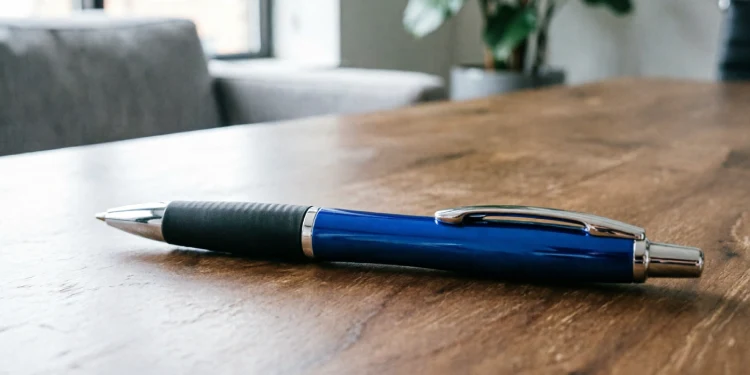
A casual exchange turns into a closer look at how a pen feels and performs in everyday use.
A Pen Passed Between Friends
According to those who were there, the reaction was immediate — though not in a dramatic way. There was no unveiling, no attempt to draw attention. The pen itself was simple in appearance, the kind of object that would normally go unnoticed among everyday items on a table.
What changed that was the moment it was picked up.
One person tested the weight, turning it slightly in their hand before writing a few lines. Another followed, paying attention to how the pen moved across the page. Within a short time, it was being passed from one person to the next, each forming a quiet impression.
The first thing most people mentioned was balance. It was neither too light nor unnecessarily heavy. It rested naturally in the hand, making it comfortable not just for quick use, but for longer writing as well. The experience felt steady and consistent, without requiring any adjustment.
The owner explained that the purchase had not been driven by interest in design or branding. His previous pen had simply become unreliable, and he wanted something that could be used daily without interruption. It needed to fit easily into a jacket pocket, work well during meetings, and feel dependable from one day to the next.
What people noticed first
- A form that rested comfortably in the hand without needing to adjust grip
- A surface that appeared clean and understated rather than overly styled
- Ink flow that remained steady, allowing writing without added pressure
- A general impression of something built for regular, practical use rather than occasional display

Friends take a closer look at a recently purchased pen, comparing how it feels and writes against others they already use.
Why Everyday Items Gain Attention
Consumer interest does not always follow clear patterns. Often, it develops around objects that people use frequently but rarely think about in detail. Writing tools fall into that category. Almost everyone relies on them at some point during the day, yet they tend to be overlooked unless something goes wrong.
Common frustrations are easy to recognise: uneven ink flow, uncomfortable grip, or a design that feels awkward after a few minutes of use. Because these issues are so familiar, the difference becomes noticeable when they are absent.
That difference is also easy to demonstrate. Unlike more complex products, a pen can be tested immediately. There is no need for explanation — only a quick moment of use. It can be passed across the table, tried by someone else, and evaluated within seconds.

A simple hands-on test shows how small differences in comfort and ink flow become noticeable within seconds of use.
From Passing Interest to Consideration
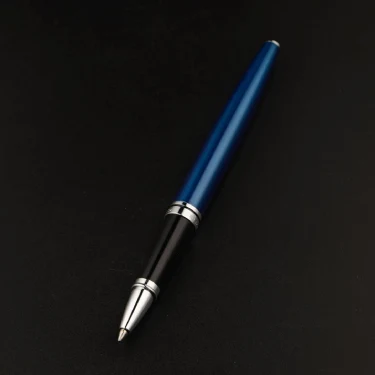
As the conversation continued, a pattern began to form. What started as a single comment gradually turned into a shared discussion. Some people asked where the pen had been purchased. Others compared it with what they already owned, noting differences they had not considered before.
By the end of the evening, the conversation had moved beyond the pen itself. What started as a simple observation gradually shifted into a broader reflection on the role of small, dependable tools in everyday life. These are the items people reach for without much thought, yet they consistently support routine tasks and help maintain a sense of order throughout the day.
Several participants remarked that they had not paid much attention to pens in the past. Yet the experience made them reconsider how often they rely on them, and how noticeable the difference can be when one performs consistently well.
This is how certain products attract attention without deliberate promotion. One person uses something, another notices, and the experience is shared in a direct and practical way.
In a marketplace where many products compete for visibility, it is often these quieter moments that carry weight. The recommendation does not come from a message, but from use — repeated, observed, and passed on.